Is Forex Trading Gambling?
Learn the key difference between forex trading and gambling, and when forex becomes gambling based on risk management and discipline.
0 Comments
February 19, 2026

Learn the key difference between forex trading and gambling, and when forex becomes gambling based on risk management and discipline.
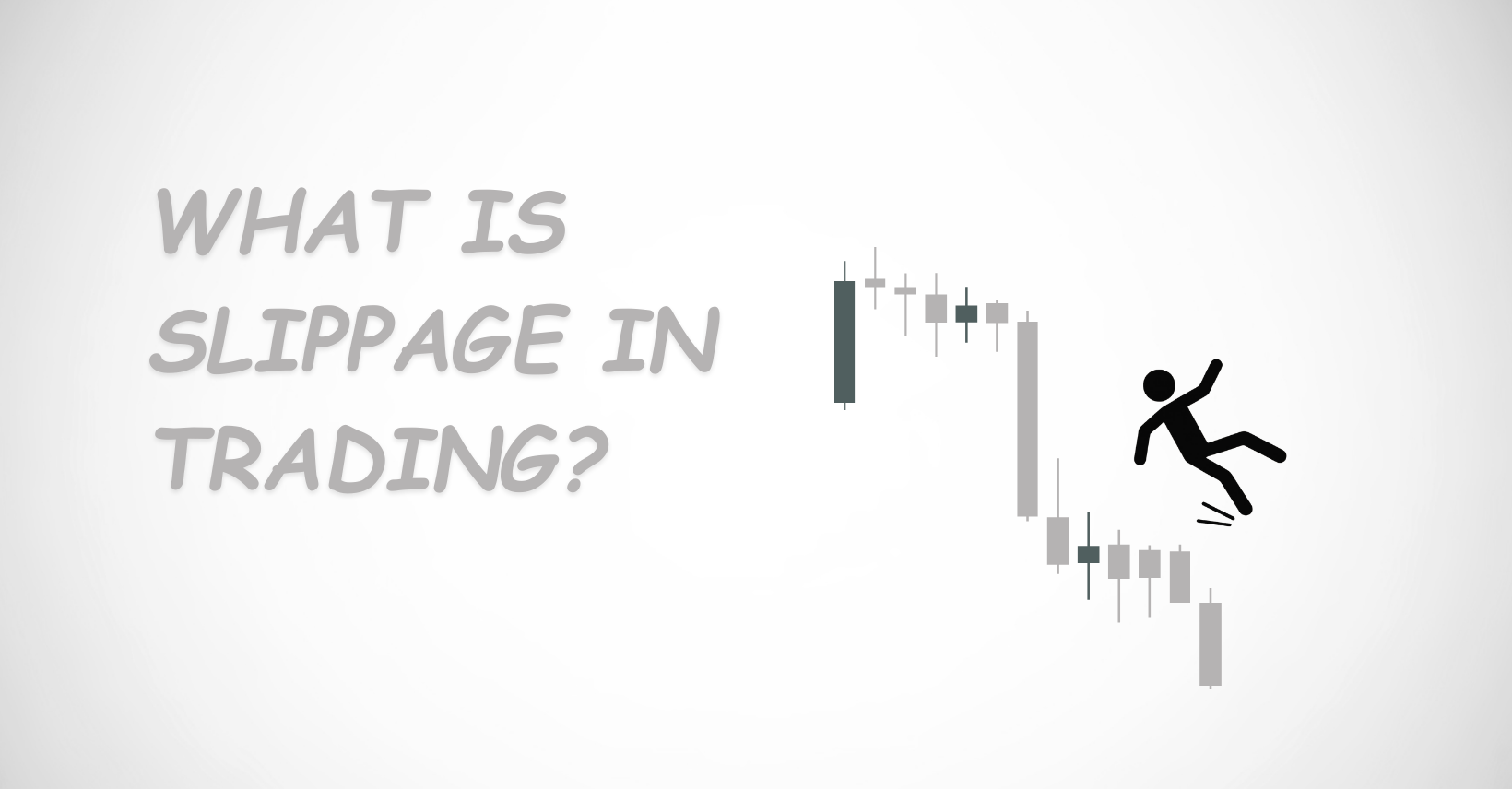
Slippage in trading is the difference between the expected order price and the actual execution price. Learn how slippage works, what causes it, and how it impacts risk, stop losses, and trade performance.
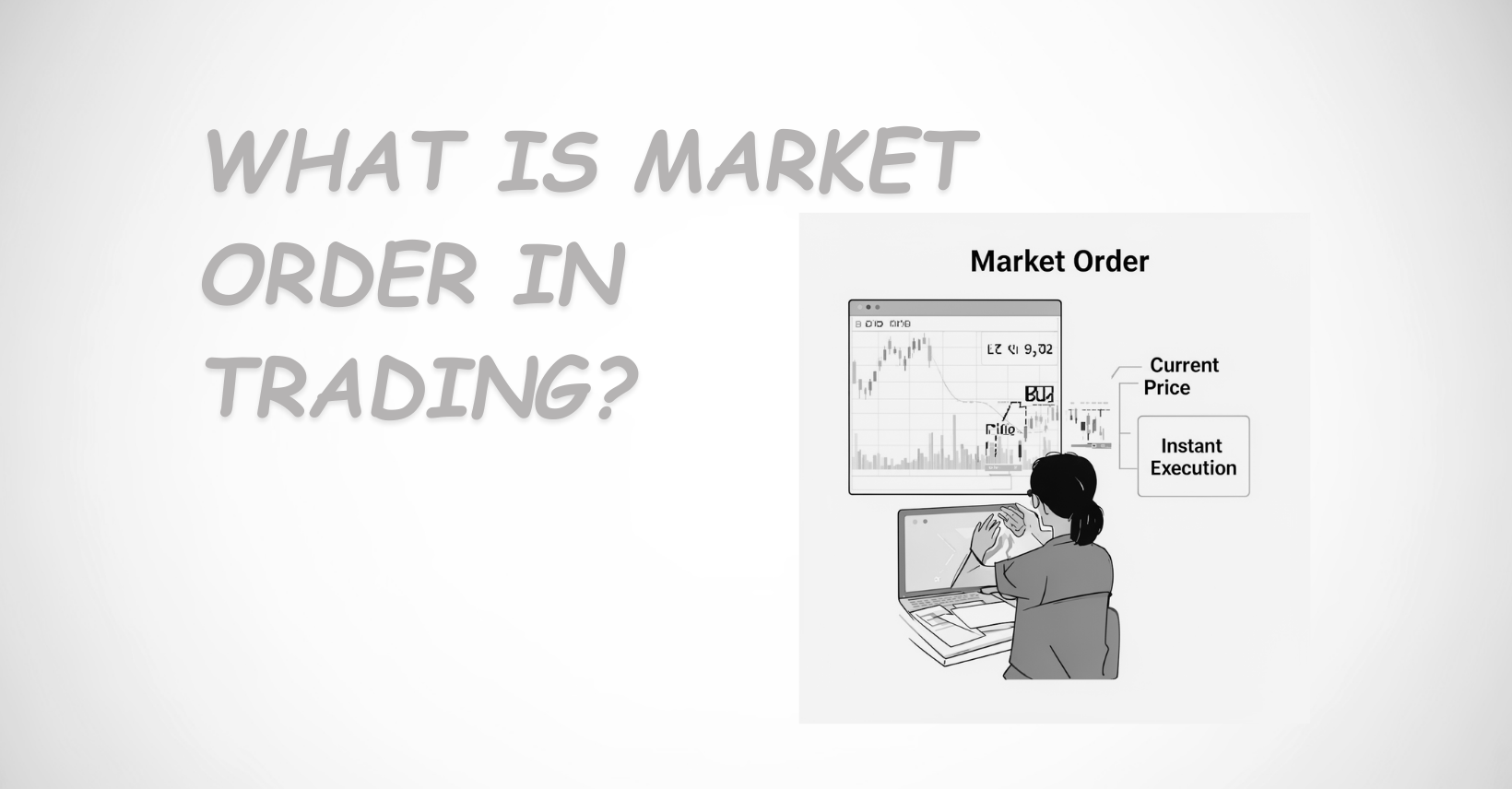
Market order in trading is an order type that executes instantly at the best available price, prioritizing speed over price precision and often affected by liquidity and slippage.
A limit order is a trading order that buys or sells an asset only at a specific price or better, helping traders control execution, reduce slippage, and trade with precision across forex, stocks, crypto, and CFDs.
Learn what confluence in trading means, how it works, why it matters, and how traders use multiple confirmations to improve trade accuracy and decision-making.
Learn the difference between MT4 and MT5, including asset coverage, timeframes, order types, strategy testing, performance, and automated trading features.
CPI in trading is an inflation report that impacts interest rates, currencies, and market volatility across forex, gold, stocks, and crypto.
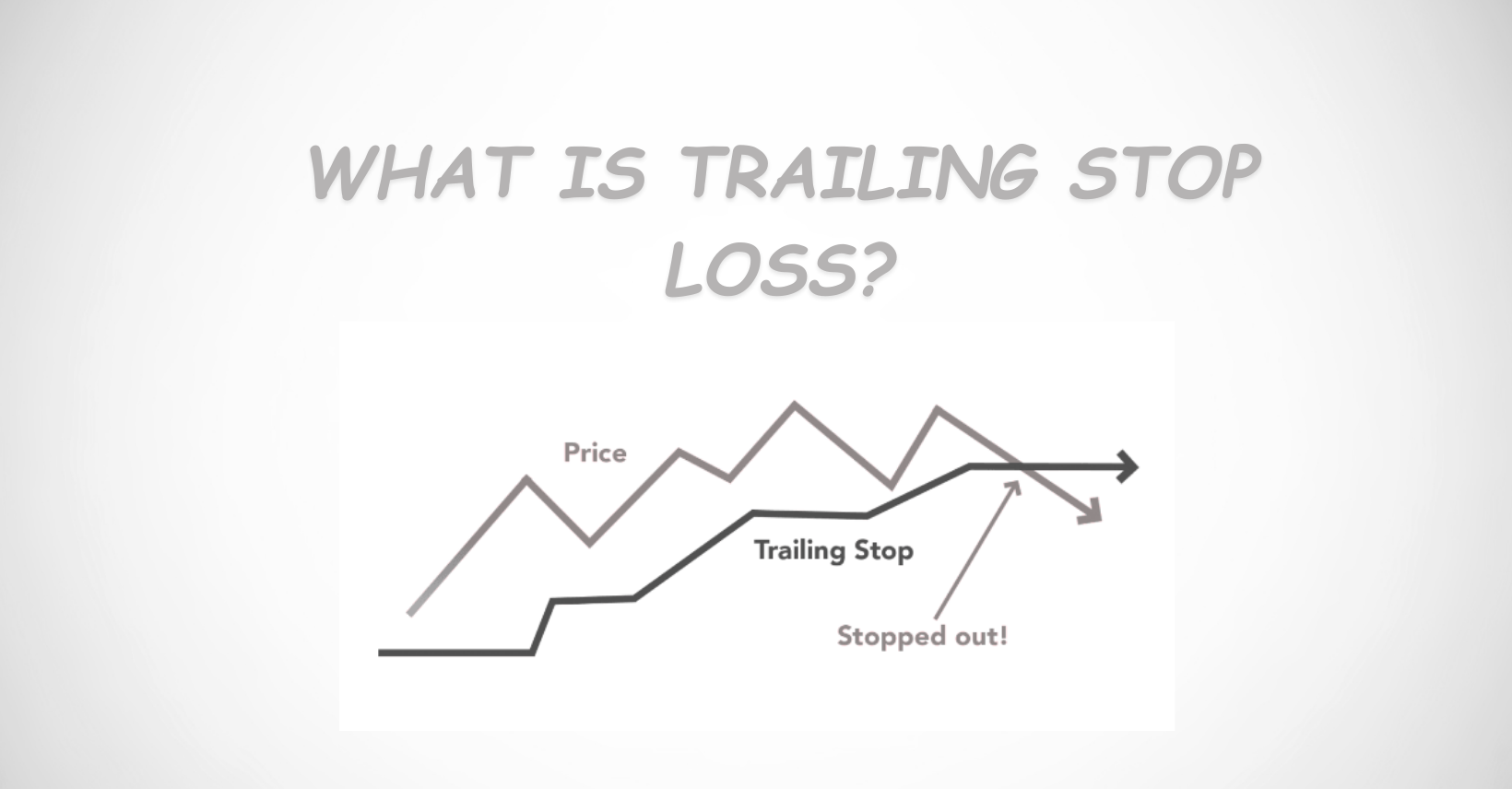
Trailing stop loss is a smart moving stop that locks in profit as price climbs, helping you ride trends while protecting gains.
Swap in forex is the overnight interest credit or debit applied to trades held past rollover time. Learn its definition, how it works, and how it impacts trading costs and profitability.
Break even in trading is the level where a trade closes with no profit or loss after costs. Learn its meaning and how it works.