What Is Drawdown in Trading?
Understand drawdown in trading, how it is calculated, and why it matters for risk management.
0 Comments
February 17, 2026

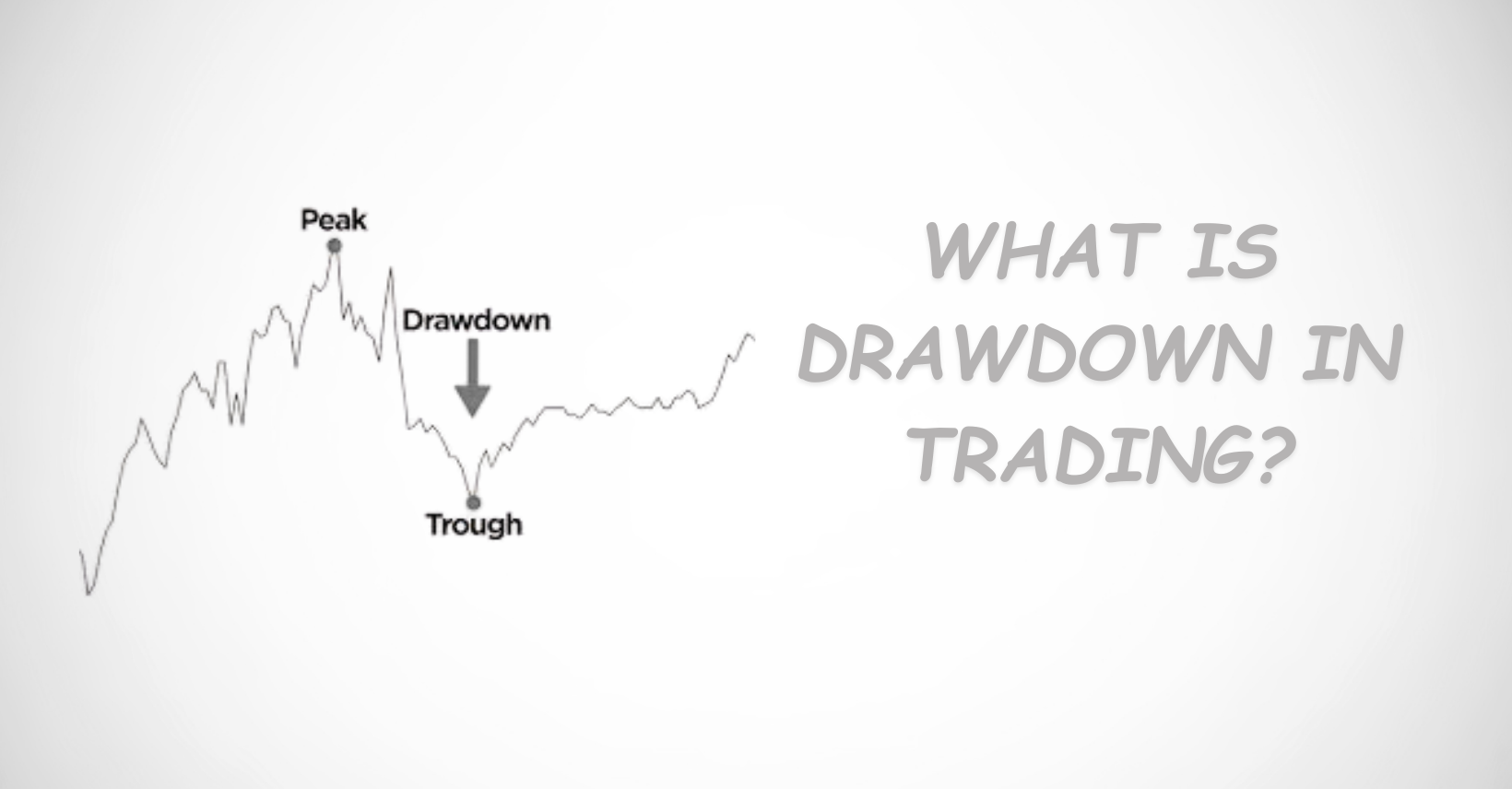
Understand drawdown in trading, how it is calculated, and why it matters for risk management.
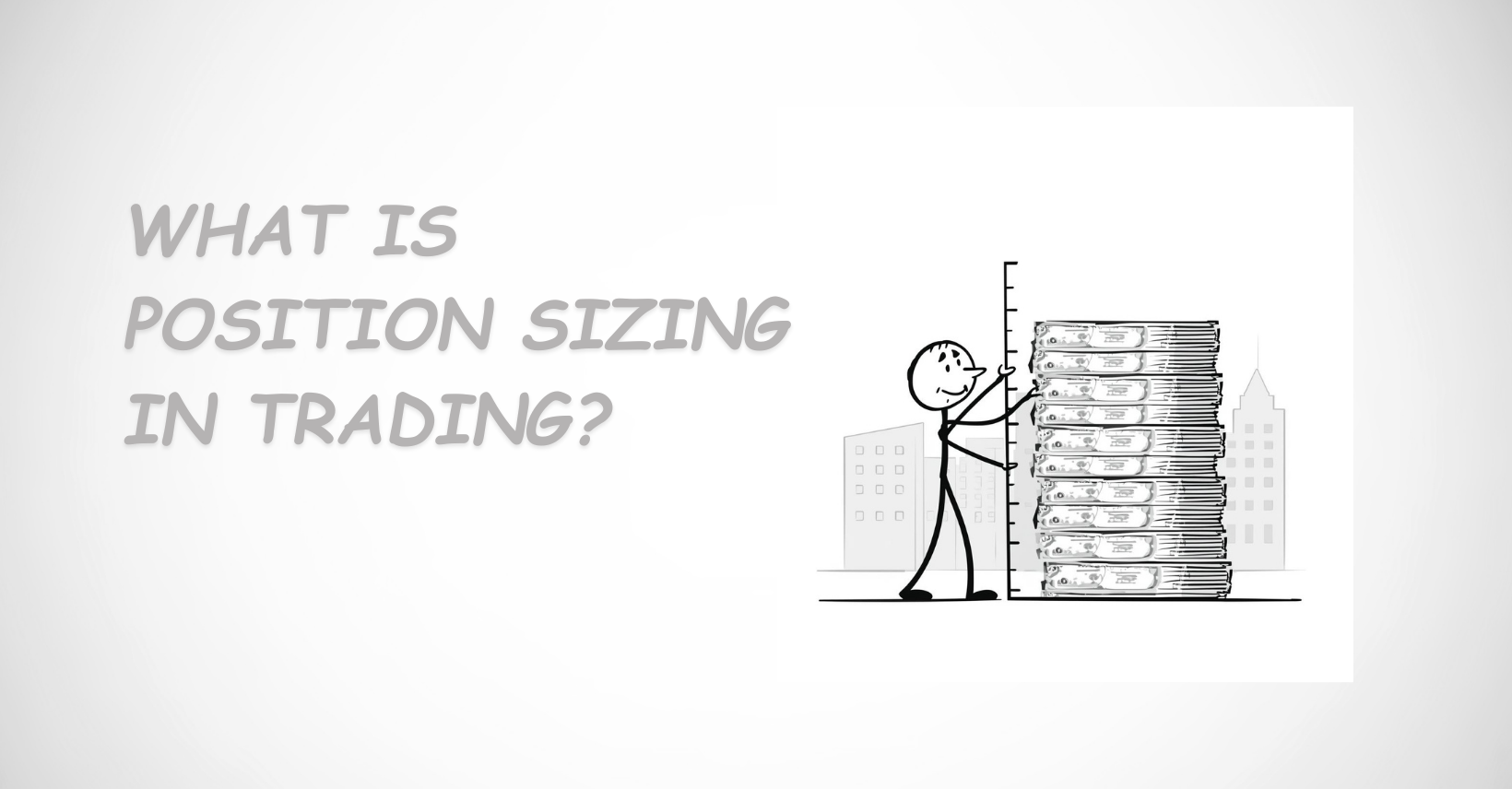
Position sizing in trading is the method of calculating the correct trade size based on risk, stop-loss distance, and account capital.
Risk management in trading is the structured process of controlling losses, limiting exposure, and protecting trading capital.
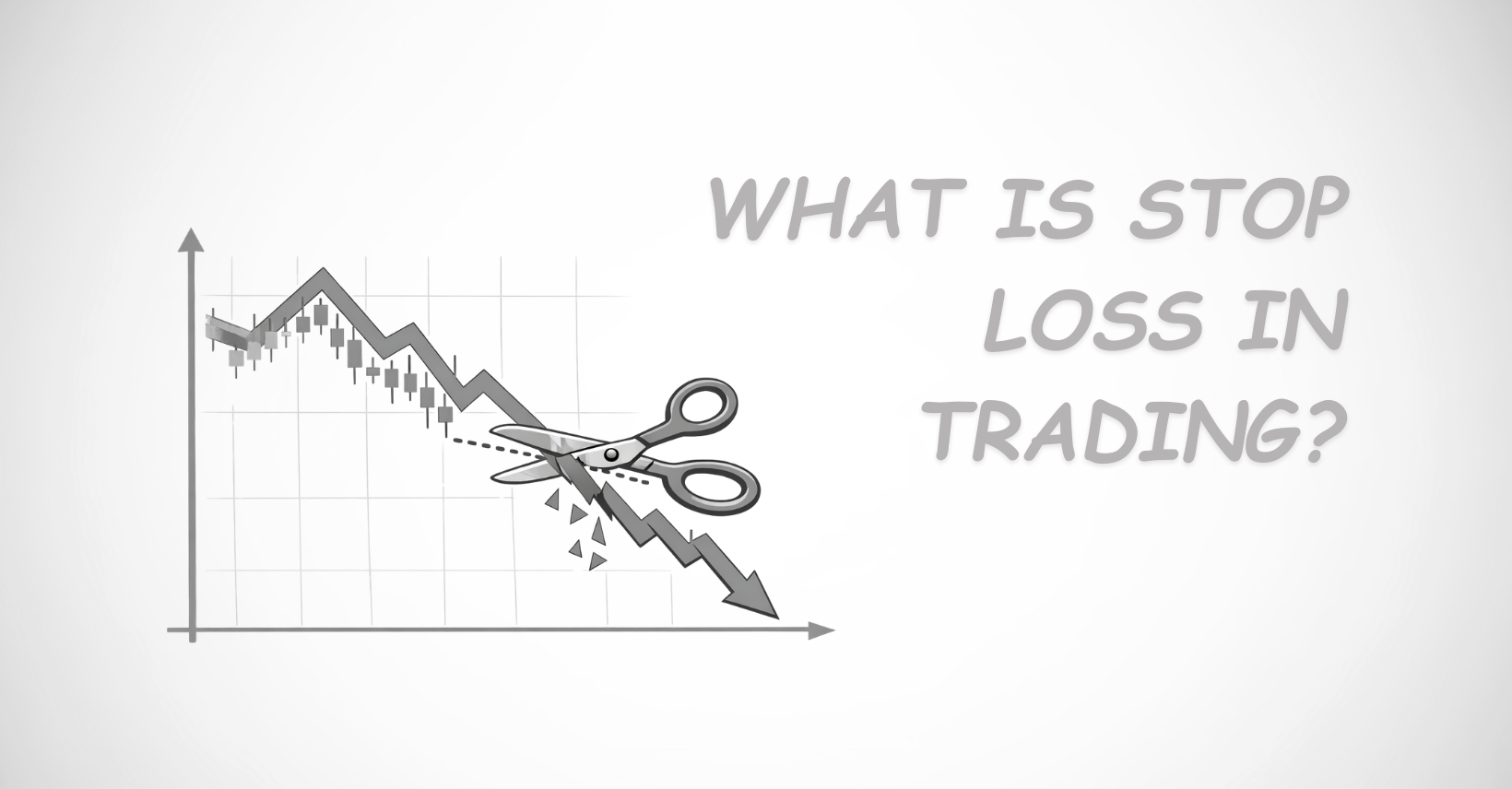
Stop loss in trading is an automated order that closes a trade at a preset loss level to limit risk and protect capital.
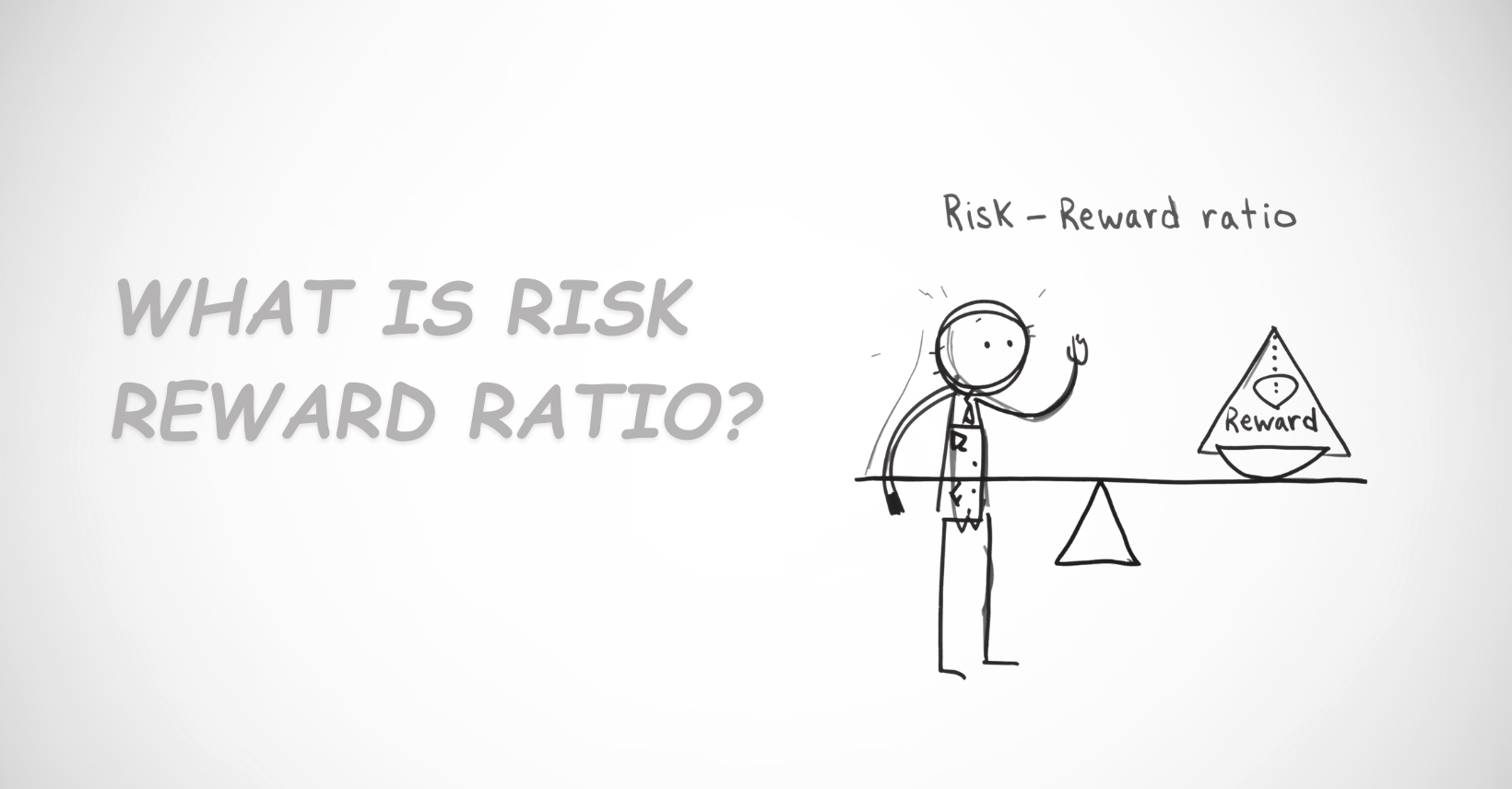
Learn what risk reward ratio is, how it is calculated, and why it matters for profitability and long-term trading performance.
Learn what a pip is in trading, including how it is calculated, its decimal placement in major and JPY pairs, the difference between pip and pipette, pip value by lot size, and how pips determine spread, profit, stop-loss distance, and risk.

Learn what lot size in forex means, how it works, and how it affects pip value, margin, leverage, and overall trading risk.
Understand what spread in forex means, how the bid-ask spread works, how to calculate it in pips and monetary value, why spreads widen, and how spread affects trading costs, execution quality, and overall strategy performance.
Learn what liquidity in trading means, including its definition, market liquidity, bid-ask spread, market depth, slippage, liquidity risk, and how it affects forex, stocks, and crypto.
Learn what market volatility means, how it works, what causes it, how it is measured, and why it matters in trading and investing across stocks, forex, crypto, and commodities.