
If you’re researching day trading vs swing trading, you’re probably trying to figure out which approach actually fits your personality, schedule, capital structure, and tolerance for risk.
This guide breaks both methods down in structured, professional terms. It defines day trading and swing trading clearly, then explains their time horizons, execution frameworks, risk exposure, capital requirements, psychological demands, and strategic distinctions without hype or bias.
Day Trading vs Swing Trading
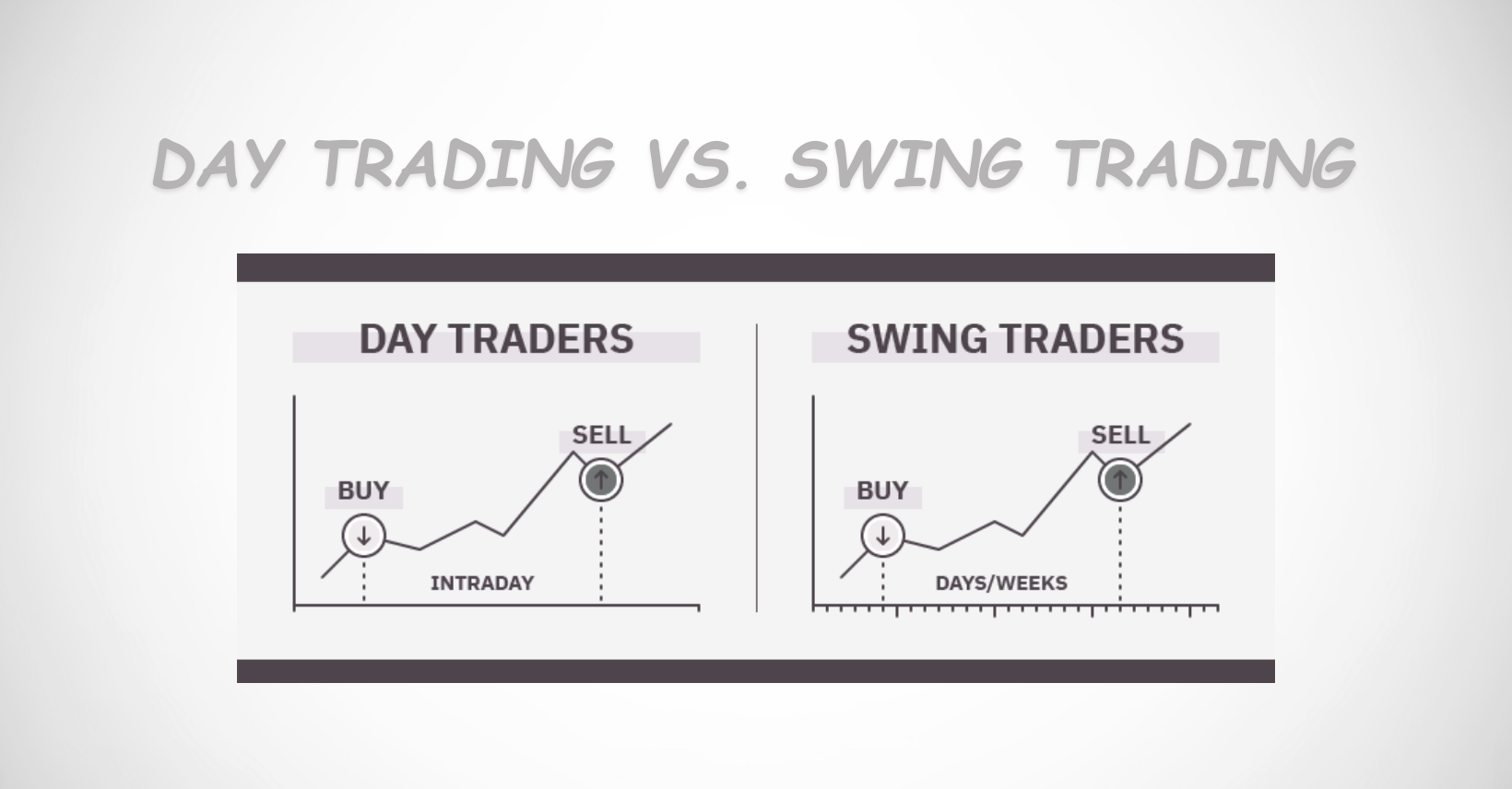
Day trading is a short-term trading methodology in which positions are opened and fully closed within the same trading session. No trades remain active after the market closes. All exposure is intraday.
Swing trading is a medium-term trading methodology designed to capture price movements that unfold over several days to multiple weeks.
Definition of Day Trading
Day trading is a short-term trading methodology in which positions are opened and fully closed within the same trading session. No trades remain active after the market closes. All exposure is intraday.
The objective of day trading is to capture small price movements that occur within a single session. Traders attempt to benefit from short bursts of market volatility, liquidity shifts, and temporary imbalances in supply and demand.
Core Characteristics of Day Trading
Positions are initiated and exited within the same trading day.
No overnight exposure is maintained.
Emphasis is placed on minor intraday price fluctuations.
Trade frequency is typically high.
Continuous monitoring of the market is required during active hours.
Day traders commonly operate on lower chart intervals, including:
1-minute charts
5-minute charts
15-minute charts
The framework relies heavily on technical analysis, short-term momentum shifts, order flow interpretation, and disciplined risk management. Precision in entry and exit execution is central to performance.
Definition of Swing Trading
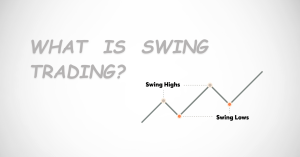
Swing trading is a medium-term trading methodology designed to capture price movements that unfold over several days to multiple weeks.
Unlike day trading, swing trading permits positions to remain open overnight. The intention is to enter near the early stage of a directional move and exit before the trend loses strength or reverses.
Core Characteristics of Swing Trading
Positions are held for days or weeks.
Overnight exposure is allowed.
Focus is placed on broader price swings rather than small intraday moves.
Trade frequency is lower compared to day trading.
Monitoring is periodic rather than constant.
Swing traders generally analyze higher timeframes such as:
1-hour charts
4-hour charts
Daily charts
The approach emphasizes trend continuation patterns, pullbacks, structural support and resistance zones, and broader market context.
Time Horizon Structure
Time horizon is one of the defining differences between day trading and swing trading.
Day Trading Time Structure
Day trading activity is confined to a single market session. Traders typically focus on periods of elevated liquidity and volatility, such as market open or major economic announcements.
Because trades are closed before the session ends, day traders avoid:
Risk exposure is compressed into a defined daily window.
Swing Trading Time Structure
Swing trading extends across multiple sessions. Positions remain open during:
Overnight transitions
Weekend closures
Broader macroeconomic developments
Swing traders accept exposure to longer-term price movement in exchange for the possibility of capturing larger directional swings.
Trade Frequency and Execution Intensity
Another structural distinction lies in how frequently trades are executed and how quickly decisions must be made.
Day Trading Execution Framework
Day traders may execute multiple trades within one session. The methodology demands:
Since profit targets are often relatively small, efficiency and discipline directly affect outcomes.
Swing Trading Execution Framework
Swing traders place fewer trades, with each position structured to capture a larger movement. The process emphasizes:
Entries near significant technical levels
Wider stop-loss placement
Patience during trade development
Reduced pressure for instant execution
The slower tempo can reduce execution-related stress, though it introduces longer exposure to market fluctuations.
Risk Exposure and Gap Considerations
Risk structure differs meaningfully between the two strategies.
Day Trading Risk Profile
Day trading removes overnight exposure. By closing positions daily, traders avoid:
Gap risk from after-hours developments
Sudden geopolitical events outside trading hours
Earnings surprises in equity markets
However, intraday volatility can be intense. Price movements can occur rapidly, requiring immediate reaction.
Swing Trading Risk Profile
Swing traders accept exposure beyond the trading session. This includes:
Overnight gaps
Weekend volatility
Macro-driven price shifts
To compensate, swing trades are often structured with broader risk reward ratio ratios, commonly:
1:2
1:3
1:4
Wider stop placement allows for normal price fluctuations over multiple days.
Capital Requirements and Cost Structure
Capital efficiency is another important distinction.
Day Trading Capital Structure
Day trading frequently requires:
Higher starting capital
Competitive spreads
Low commission structures
Reliable, fast execution systems
Because gains per trade are typically smaller, transaction costs significantly influence performance. High trading frequency increases:
Cost control is essential for sustainability.
Swing Trading Capital Structure
Swing trading involves:
Lower transaction frequency
Reduced cumulative trading costs
Greater flexibility in execution timing
Although overnight financing or swap charges may apply in leveraged markets, the reduced number of trades often lowers total cost impact over time.
Psychological Requirements
Psychological alignment is central to choosing between day trading and swing trading.
Day Trading Psychological Profile
Day trading demands:
Strong emotional regulation
Rapid analytical processing
Comfort with fast price fluctuations
Discipline under continuous pressure
The pace can be mentally demanding. Sustained focus during intraday hours is required.
Swing Trading Psychological Profile
Swing trading requires:
Patience during consolidation phases
Stability during temporary drawdowns
Tolerance for holding positions over days
Commitment to structured planning
The slower rhythm reduces immediate pressure but requires confidence in analysis across time.
Analytical Application
Both strategies depend on technical analysis, though implementation differs in scope and timeframe.
Day Trading Analytical Focus
Day trading analysis concentrates on:
Intraday support and resistance levels
Volume spikes
Short-term momentum shifts
Breakout formations
Micro structural changes
Indicators are calibrated for faster reaction cycles.
Swing Trading Analytical Focus
Swing trading analysis prioritizes:
Higher timeframe trend direction
Major structural zones
Pattern formations across multiple sessions
Retracement levels
Risk-to-reward calibration
Broader economic context may influence directional bias.
Lifestyle Compatibility
Personal schedule and lifestyle strongly influence suitability.
Day Trading Lifestyle Alignment
Day trading aligns with individuals who:
Can dedicate uninterrupted hours during active sessions
Prefer constant market interaction
Operate effectively in fast-paced environments
Wish to avoid overnight exposure
It is generally difficult to combine with a full-time job unless trading hours align with availability.
Swing Trading Lifestyle Alignment
Swing trading aligns with individuals who:
Cannot monitor markets continuously
Prefer structured analysis over rapid decision cycles
Are comfortable holding trades for extended periods
Require schedule flexibility
It supports part-time participation.
Return Structure and Profit Model
Both methodologies present profit opportunities, but their return structures differ.
Day Trading Return Model
Day traders aim for:
Frequent smaller gains
Daily compounding potential
Controlled intraday exposure
Tight risk management
Consistency and cost efficiency are central to long-term viability.
Swing Trading Return Model
Swing traders aim for:
Larger directional moves
Extended trend participation
Higher structured risk-to-reward setups
Fewer but strategically selected trades
Returns develop over longer periods and rely less on execution volume.
Structured Comparison of Definitions
| Category | Day Trading | Swing Trading |
|---|---|---|
| Holding Period | Minutes to hours, no overnight positions. | Days to weeks, overnight exposure permitted. |
| Trade Frequency | High frequency. | Moderate to low frequency. |
| Time Commitment | Continuous intraday monitoring required. | Periodic monitoring sufficient. |
| Risk Exposure | Limited to intraday volatility. | Includes overnight and gap risk. |
| Psychological Intensity | Fast-paced and high pressure. | Slower pace requiring patience and resilience. |
Conclusion: Formal Definition and Strategic Distinction
The distinction between day trading and swing trading is defined primarily by time horizon, execution speed, exposure duration, and behavioral alignment.
Day trading is an intraday methodology focused on short-term price fluctuations, constant monitoring, and elimination of overnight risk. Swing trading is a multi-session methodology focused on capturing broader directional moves, accepting extended exposure, and emphasizing patience.
Neither method is inherently superior. Suitability depends on:
Time availability
Capital structure
Risk tolerance
Psychological disposition
Strategic preference
A precise understanding of both definitions allows traders to align their chosen methodology with operational capacity and long-term objectives. Clarity in structure precedes consistency in execution.